

Key takeaways
- Pros: strong ice retention, bear-resistant certification as stated by the maker, durable lid latches, versatile size.
- Cons: no wheels, heavy when full, premium pricing.
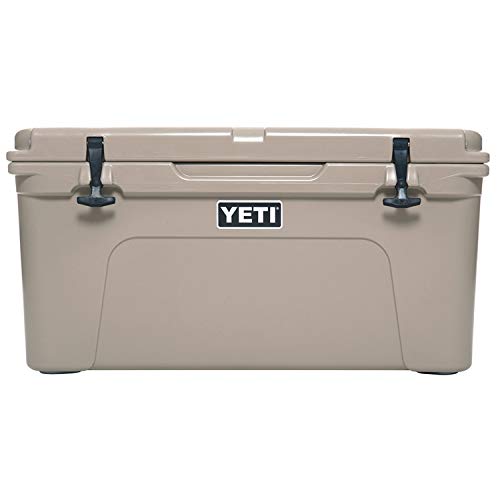
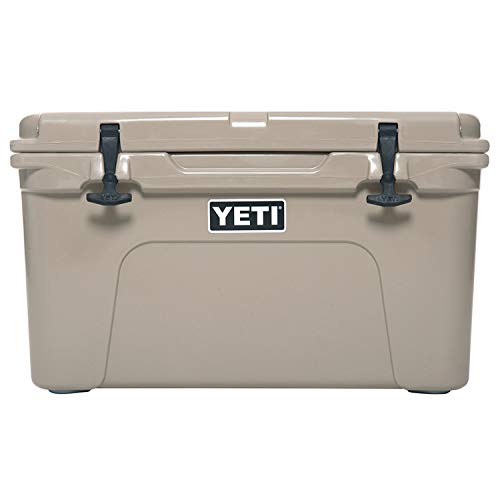
The Tundra 45 suits most buyers who want one hard cooler for weekends, the Roadie 48 suits people who prioritise ice retention and rolling it to the campsite, the Tundra Haul suits anyone who hates carrying heavy loads, and the Hopper Flip 18 suits day trips where a soft, leak-resistant bag is enough. Reviewers from CNN Underscored, Bob Vila and OutdoorGearLab broadly agree on that split, and the details below explain why and where each model falls short.
Our top picks


As an Amazon Associate we earn from qualifying purchases at no extra cost to you.
Yeti Coolers at a Glance
| Model | Type | Best for | Stated specs | Main limit |
|---|---|---|---|---|
| Tundra 35 | Hard | Weekend trips for two | The maker lists room for about 39 cans with no ice, and an empty weight near 21 lbs | Smaller than most families need |
| Tundra 45 | Hard | All-round use, car camping, fishing | Retailer listings show an empty weight around 24.6 lbs; outside size about 25.6 x 15.9 x 15.5 in | No wheels, so heavy once loaded |
| Tundra 65 | Hard | Larger groups, multi-day trips | One review lists about 30 lbs empty | Awkward to lift when full |
| Tundra Haul | Hard, wheeled | Long carries over mixed ground | Reviewers say ice lasts several days in moderate weather | Heavier than the same size without wheels |
| Roadie 48 | Hard, wheeled | Maximum ice retention and stacking | OutdoorGearLab lists 45.4 qt and 26.6 lbs | Lock sold separately |
| Roadie 60 | Hard, wheeled | Bigger loads with wheels | OutdoorGearLab lists 59 qt and 30.7 lbs | Heavy and expensive |
| Roadie 24 | Hard | Day trips, tailgates, vehicle seat | The maker’s size guide gives about 12.8 lbs empty | Not bear-resistant certified |
| Hopper Flip 18 | Soft | Lunches, picnics, short outings | The maker’s size guide gives about 5.1 lbs | Shorter cold hold than hard models |
| Hopper M12 backpack | Soft | Hiking, beach carry | Reviewers report ice lasting over 24 hours in warm weather | Insulation is good but not Tundra-level |
Can counts vary between sources because some count empty space and others assume a two-to-one ice-to-contents ratio. Treat any single capacity figure as a rough guide and read the maker’s own size guide before ordering.
What Makes a Yeti Cooler Different
The hard models are rotomolded, with thick walls filled with pressure-injected polyurethane foam. The maker describes up to about three inches of insulation in the Tundra line, and the Tundras are described as certified bear-resistant when used with the correct locking hardware. The Roadie 24 is the exception: sources note it is not certified. That construction explains why these coolers are heavy even when empty, and why reviewers keep ranking them above cheaper plastic models for multi-day ice retention.
Soft coolers such as the Hopper line use welded fabric rather than foam walls. They are far lighter and easier to carry, and they suit shorter outings. Reviewers consistently say they give up long-term cooling in exchange for portability.
Best Overall Hard Cooler: Tundra 45
CNN Underscored calls the Tundra 45 the best cooler it has ever tested and says medium sizes hit the sweet spot for versatility. Bob Vila names it runner-up behind the Tundra Haul. The pitch is simple: it fits a weekend of food and drinks for two to four people, still fits in most car trunks, and can be carried by two hands or by two people.
Retailer and review listings put the empty weight at roughly 24.6 lbs and the capacity at about 54 cans with no ice, though the same cooler holds far fewer cans once you add ice at the usual two-to-one ratio. Plan your trip around the ice-included number.
- Pros: strong ice retention, bear-resistant certification as stated by the maker, durable lid latches, versatile size.
- Cons: no wheels, heavy when full, premium pricing.
Best for Ice Retention: Roadie 48
OutdoorGearLab ranks the Roadie 48 first among all coolers it assessed, not only Yeti. It reports food staying below 40 degrees Fahrenheit for about 6.8 days and drinks staying cold for around 7.5 days. It also lists a stable rolling design and a stackable shape. The drawbacks it names are the high price and the fact that the lock is sold separately.
The Roadie 60 ranked second in that same review, with slightly shorter figures at about 6.3 days for food and 6.9 days for drinks. It makes sense when you need more space and want wheels, but it weighs over 30 lbs empty, so it only suits people who will mostly roll it rather than lift it.
Best for Easy Carrying: Tundra Haul
Bob Vila picks the Tundra Haul as its best overall and Bob’s BBQ calls it the clear winner for car camping because it solves the portability problem without giving up the Tundra’s ice retention. One review reports five to seven days of ice in moderate conditions for the Tundra 65 and Haul sizes. If your campsite is a long walk from the car, or you have a bad back, the wheels and tow handle are worth the extra weight and cost.
Best Small Hard Cooler: Roadie 24 and Tundra 35
Bob Vila names the smaller Roadie models as the best compact picks, and other reviewers favour the Roadie 15 for solo use. The Roadie 24 weighs about 12.8 lbs empty according to the maker’s size guide, which makes it light enough for one person and small enough for a back seat. The Tundra 35 is a better match if you want the bear-resistant certification and a little more space for a weekend away.
Best Soft Cooler: Hopper Flip 18
CNN Underscored calls the Hopper Flip 18 the best soft Yeti and describes it as a fantastic option if you can give up some long-term cooling power. Bob Vila names it best bang for the buck. At roughly 5.1 lbs according to the maker’s size guide, it suits lunches, picnics and boat days. Hikers who need both hands free can look at the Hopper M12 backpack, which reviewers say holds ice for over 24 hours in warm weather, though one review cautions that its insulation does not match the Tundra.
Pick X If You Want Y
| Pick this | If you want | Skip it if |
|---|---|---|
| Tundra 45 | One hard cooler for most trips | You must roll it over long distances |
| Tundra Haul | Wheels without losing Tundra insulation | You need a light cooler |
| Roadie 48 | Best reported ice retention | You want the lowest cost |
| Roadie 24 | A compact hard cooler for day trips | You need bear-resistant certification |
| Hopper Flip 18 | A light soft cooler | You need multi-day cold storage |
| Hopper M12 | Hands-free carrying | You need Tundra-level cooling |
Budget Tiers
Budget: Basic plastic coolers from Coleman and Igloo cover weekend use. OutdoorGearLab lists the Coleman Classic Series 65 Wheeled at about 62.3 qt with roughly 4.7 days for food, and the Igloo Polar 120 as a very large option at around 4.6 days. CNN Underscored adds that a cheaper cooler is probably enough if you only need to keep lunch meat and drinks cold for a day or two.
Mid-range: The Yeti Hopper Flip 18 and the Roadie 24 sit at the lower end of the brand’s range and suit short trips.
Premium: The Tundra 45, Tundra Haul and Roadie 48 are where the Yeti line earns its reputation, and where the price is highest.
Alternatives to Consider
- RTIC Ultralight 52: OutdoorGearLab lists about 49 qt, 21.6 lbs and roughly 5.8 days for food. It praises the light weight and insulation but notes it feels somewhat flimsy and is not bear-certified.
- Coleman Xtreme 50 with wheels: light at about 12.5 lbs and affordable, but OutdoorGearLab notes a flimsy handle and a lid that is not watertight.
- Igloo Polar 120: very large and cheap per quart, but it needs two people to move and can leak if tipped.
Care and Packing Notes
- Pre-chill the cooler for several hours with a sacrificial bag of ice, then add the real load. Reviewers cite this as one of the biggest gains in ice life.
- Use block ice or a larger ice share for multi-day trips; many guides suggest roughly two parts ice to one part contents.
- Keep the cooler in shade and avoid opening the lid more than needed.
- Rinse and air-dry after each trip with the drain open to prevent odours.
- If you camp in bear country, follow the local rules on locks and storage, and use the maker’s recommended hardware if you rely on the bear-resistant certification.
Frequently Asked Questions
What size Yeti is best for a weekend trip?
Most reviewers point to the Tundra 45 as the sweet spot for a weekend for two to four people. If you are travelling solo or only need drinks and lunch, the Roadie 24 or Tundra 35 is plenty. Larger groups tend to move up to the Tundra 65 or a wheeled Roadie 60.
How long does ice last in a Yeti cooler?
It depends on the model, the starting temperature, ice ratio and ambient heat. OutdoorGearLab measured around 6.8 days of food-safe temperatures in the Roadie 48, and another review reports five to seven days for larger Tundra models in moderate conditions. Real-world results will usually be shorter if the cooler sits in sun or is opened often.
Is a Yeti cooler worth it compared with a cheaper one?
For multi-day trips, durability and bear-resistance, reviewers generally say yes. For lunch meat and drinks over a day or two, CNN Underscored says a cheaper cooler is probably enough. Budget models also give up some lid seal and handle strength, so factor in how often you will use it.
Are soft Yeti coolers as good at keeping ice?
They are not, and reviewers say so openly. The Hopper Flip 18 trades cooling power for weight and flexibility, and the Hopper M12 is described as good for around a day in warm weather. Use soft coolers for outings and hard coolers for trips.
Do I need the bear-resistant certification?
Only if you camp where bears are present and rules require it. The maker describes the Tundra line as certified when used with the right hardware, while the Roadie 24 is noted as not certified. In any area with wildlife rules, follow the park or campground guidance first.
Should I buy wheels or a standard Tundra?
Choose wheels if you regularly carry the cooler more than a short distance or struggle with heavy lifting. A standard Tundra is lighter for its capacity and easier to stow in a boat or truck bed. Both reviewers and owners tend to say the wheeled models earn their keep on long carries.








Write Your Review
No reviews yet. Be the first to share your experience!