

Key takeaways
- For most households that serve a few cones now and then, a manual ice shaver is the better fit because it is simple, quiet.
For most households that serve a few cones now and then, a manual ice shaver is the better fit because it is simple, quiet, compact and has nothing to plug in. An electric shaver wins when you serve large groups, want faster output or have anyone who cannot crank comfortably, and the right pick comes down to how often you make shaved ice and how many people you serve at once.
Neither type is better in every kitchen. Hand-cranked machines reward patience and give you control over texture, while electric ones trade that control for speed and convenience. This guide compares the two on the points that matter at home: how they work, how much effort they take, how they handle volume, how much space they use, and how easy they are to clean. A comparison table and a short checklist at the end help you decide without needing a spec sheet.
How Each Type Works
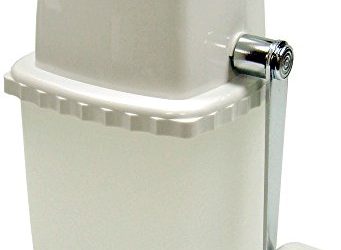
A manual shaver uses a hand crank, and you turn it to rotate a block or puck of ice against a blade or drive a blade across the ice. Every bit of power comes from your arm, and the ice usually has to fit a specific shape or size. An electric shaver uses a motor to turn the blade or the ice, and many models take cubes or pre-formed blocks, depending on the design. The motor does the work, so your job is to feed ice and catch the shavings.
Because the mechanics differ, the feel of using them differs too. Manual machines are slower and make you aware of ice temperature and blade depth. Electric machines run more evenly once you load them, but many need to be plugged in near a counter and may be louder. Both can make fluffy ice when set up properly, and both can make crunchy ice when set up poorly.
Where Each Type Wins at Home
Effort and control
With a manual shaver you control the speed, pressure and rhythm. That makes it easier to make small adjustments and learn the feel of the ice. It also means tired hands during a long session, which matters at a party. An electric machine needs almost no effort, which helps children, older relatives or anyone with limited hand strength, though you will usually need to supervise carefully around moving parts.
Speed and volume
Electric models generally produce cones faster and more consistently, which makes them practical for birthday parties, school events and anyone who serves ten cones in a row. Manual models are fine for one to four cones at a time and can keep up with a small family. If a line forms, a hand-cranked machine becomes the bottleneck.
Space, noise and power
A manual shaver is compact, stores in a drawer or small cabinet and runs silently, so it suits small kitchens and camping trips. It works anywhere because it needs no outlet. An electric machine takes more counter space, needs power and makes motor noise, but it often stays set up on a shelf for the summer.
Cleaning and upkeep
Fewer parts mean easier cleaning with a manual unit. You rinse and dry the blade and housing, and there is no motor to protect from water. Electric units need more care around the base and cord, and parts that touch ice should be washed according to the manual. In both cases, drying the blade matters, because a damp blade dulls faster and cuts poorly.
Comparison Table
| Factor | Manual shaver | Electric shaver |
|---|---|---|
| Effort | Hand cranking, tiring over many cones | Minimal, motor does the work |
| Speed | Slower, fine for small groups | Faster, better for parties |
| Texture control | High, you set rhythm and pressure | Moderate, depends on the blade setting |
| Storage | Compact, easy to stash | Larger, needs counter or shelf space |
| Power needs | None | Outlet required |
| Noise | Quiet | Motor noise |
| Cleaning | Simple, few parts | More parts and electrical care |
| Best for | Occasional, small-batch use | Frequent use and larger groups |
Safety and Household Considerations
Both machines have blades, and both belong out of reach of small children when not in use. Electric models add a cord and a motor, so keep them away from water, unplug them before cleaning and follow the manual’s instructions. Manual machines have fewer hazards, but fingers can still get caught in the crank or near the blade. Whichever type you own, supervise any child who wants to help, and teach them to keep hands clear of moving parts.
Think about who in the house will actually use it. A teenager who loves making cones might be happy to crank, while a busy parent might want the faster option. Think too about where the machine will live. A tool that is easy to reach is a tool that gets used, and a bulky machine buried in a closet often stays there. For 2026 summer plans, picture a typical weekend: if it involves four cones at most, the manual route is usually enough.
Matching the Machine to Your Household
A few common home situations make the choice clearer. A small family that makes cones on hot weekends, and keeps the shaver in a drawer the rest of the year, usually does well with a manual machine. It costs little in space, never needs an outlet and gives kids a real job at the crank. A household that hosts regular gatherings, school groups or neighborhood events will probably tire of cranking after the first dozen cones and should lean toward an electric machine.
Apartment dwellers with limited storage tend to prefer manual models, since they tuck away easily and work on a balcony or at a picnic. People who like to experiment with texture, from powdery snow to coarser ice, often enjoy manual shavers because they can feel the result change as they adjust blade depth and speed. Anyone who prefers a push-button routine, or who has wrist or hand limitations, will usually be happier with an electric option.
Think about ice supply as well. Some machines need a special block or puck shape, while others accept ordinary cubes. If you do not want to plan a day ahead and freeze ice in a mold, check which format a machine accepts before you commit. Matching the ice format to your freezer habits saves frustration later.
Common Mistakes When Choosing
The most frequent error is buying for an imagined party instead of the real routine. A large electric machine looks appealing, but if it comes out twice a year it takes up valuable space. The reverse error is buying a small manual machine and then planning to serve forty guests. Another mistake is ignoring ice format and ending up with a machine that only works with a mold you do not own. Finally, many buyers forget cleaning. Whichever type you choose, plan to rinse and dry it promptly after each use.
Before You Buy Checklist
- Count how many cones you serve at a typical gathering
- Decide whether you want to crank or to push a button
- Check counter and cabinet space before you buy
- Look at the ice format the shaver accepts, such as blocks, pucks or cubes
- Note whether you need to use it outdoors or away from an outlet
- Read the care instructions and make sure you are willing to follow them
Related guides
- How To Make Fluffy Shaved Ice With A Manual Shaver
- How To Store Snow Cone Syrup So It Stays Fresh
- Commercial Snow Cone Machine For Business
Frequently Asked Questions
Is an electric ice shaver always better?
No. It is faster and easier on the arms, but it is also bulkier, noisier and needs power. For occasional use, a manual shaver often gives a better balance.
Do manual shavers make fluffy ice?
They can, when the ice is dense, the blade cuts shallow and you turn the crank slowly. Results depend more on technique than on the type of machine.
Which is easier to clean?
A manual shaver usually is, because it has fewer parts and no motor to protect. Electric units need extra care around the base, so follow the instructions in the manual.
Which is better for kids?
Kids often enjoy cranking a manual machine under supervision. Electric units can be easier to operate, but moving parts and cords mean adults should handle them closely.
More from Amazon
Programs that pair well with the guide above. Offers and eligibility are set by Amazon and may change.
Set up recurring deliveries of everyday items on eligible products. Terms and savings are set by Amazon.
Explore Subscribe & SaveCollect the home and kitchen items you want in one registry that guests can shop from.
Create a wedding registryFree shipping on eligible items, Prime Video and more. Eligible new members can start with a free trial.
Start a Prime free trialAudiobooks and podcasts to listen to on the go. Eligible new members can start with a free trial.
Try Audible freeAs an Amazon Associate we earn from qualifying purchases.






Write Your Review
No reviews yet. Be the first to share your experience!